The short answer: what actually works at home
Losing weight at home comes down to one thing: using slightly more energy than you take in, often enough that it adds up. Meal plans, step targets and workout videos are just ways of making that easier to do in your own kitchen and living room.
In practice, that means working three levers you already control:
- Eat a little less than you burn, without going so hungry that you give up in week three.
- Move a little more, using walks, stairs, housework and short sessions rather than a gym membership.
- Protect your sleep and your evenings, because tiredness and stress drive snacking far more than willpower does.
You don't need equipment, a special diet or a subscription. You need a routine dull enough to repeat on a wet Tuesday in February.
Before you start: what to have ready
Nothing here costs much, and none of it is essential — but having it in place removes the small frictions that end plans.
- Bathroom scales, for the same weekly weigh-in under the same conditions.
- A tape measure, because your waist can change while the scales sulk.
- Somewhere to record things — a notebook, a note on your phone, a spreadsheet. Memory is a poor record of what you ate on Saturday.
- A worktop and fridge that work for you: fruit and chopped veg at eye level, biscuits out of sight or not bought at all.
- Comfortable shoes and a water bottle, so a walk has no excuse attached.
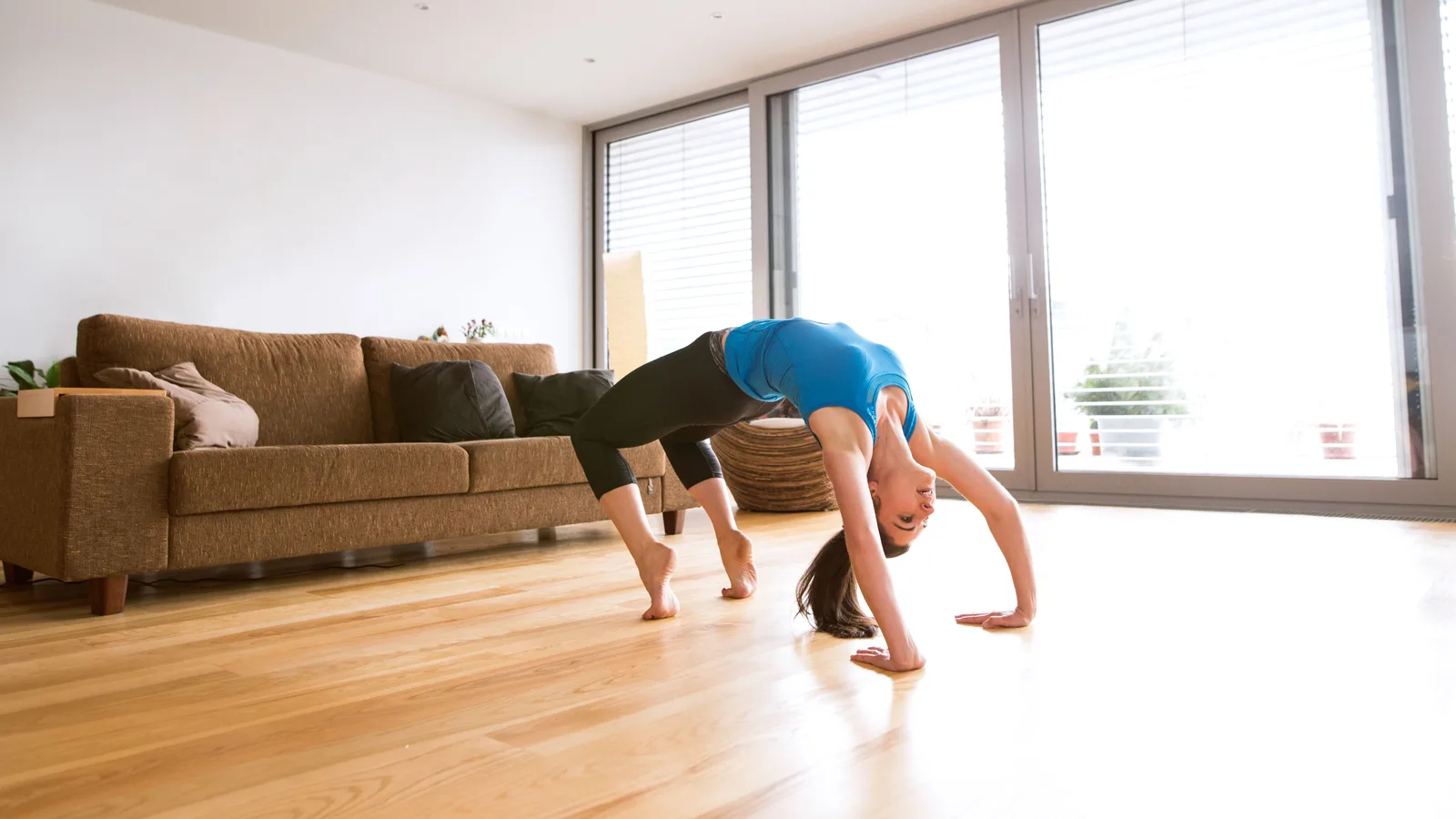
- One form of movement you don't hate — a walking route, a short bodyweight routine, a dance playlist.
The numbers worth knowing
- Rate of loss
- Around 0.5–1kg (1–2lb) a week is the usual aim for steady loss that stays off.
- Daily deficit
- Roughly 500 kcal a day below what you burn is the common rule of thumb for about 0.5kg a week.
- Weekly activity
- NHS guidance is 150 minutes of moderate activity a week — brisk walking counts.
- Strength work
- Two sessions a week working the major muscle groups, at home or anywhere else.
- Sleep
- Most adults do best on 7–9 hours a night.
These are aims, not exams. A deficit of about 500 kcal a day is popular because it's big enough to show progress in a few weeks and small enough that you can still eat dinner. If you cut far harder than that, you tend to lose weight quickly at first and then run into hunger, tiredness and a weekend that undoes the week.
If you have a health condition, take regular medication, are pregnant or have a history of disordered eating, get individual advice from a GP or pharmacist before setting a target — the general numbers above may not apply to you.
How to set up your home weight-loss plan: 8 steps
-
01 /
Record your starting point
Weigh yourself first thing, measure your waist at the level of your navel, and note how a particular pair of jeans fits, how you're sleeping and how much energy you have. A photo helps too. You will want this baseline in three weeks when you're convinced nothing is happening.
-
02 /
Choose a rate, not a deadline
Aim for 0.5–1kg a week. A wedding date three weeks away will push you towards crash dieting, which is the fastest route to losing water, feeling dreadful and putting it back on.
-
03 /
Cut your two biggest liquid calories
Alcohol, soft drinks, juice and milky coffees are the easiest calories to remove because they don't fill you up. Most people can find 200–400 kcal a day here without ever feeling hungry.
-
04 /
Rebuild the kitchen
Move biscuits, crisps and cake to a high, awkward cupboard — or stop buying them. Put fruit, yoghurt and chopped vegetables where you see them first. Portion snacks into a bowl instead of eating from the packet.
-
05 /
Use a plate template for main meals
Half the plate vegetables or salad, a quarter protein (fish, chicken, beans, eggs, tofu), a quarter starchy carbohydrate (potato, rice, pasta, bread), plus a thumb-sized amount of fat for flavour. It works with any cuisine and needs no weighing.
-
06 /
Book movement into the week
Put three 20-minute sessions and a daily walk in your diary as if they were appointments. If they aren't scheduled, they happen on the days you feel like it — which is not most days.
-
07 /
Fix your wind-down
Set a time when screens go off, dim the lights and get the phone out of the bedroom. A tired brain reaches for quick energy, and the 10pm cupboard raid is often a sleep problem rather than a hunger problem.
-
08 /
Set a 10-minute weekly review
Same day each week: look at the weight trend, how hungry you were, energy, sleep and what got skipped. Change exactly one thing for the following week.
Eating well at home without weighing every crumb
The kitchen is where most of the work happens, and the good news is that home cooking is usually slimming by accident: you control the oil, the portions and what goes on the side.
A few things make a real difference:
- Cook once, eat twice. Doubling a chilli, curry or traybake gives you a portioned lunch you'd otherwise replace with a meal deal.
- Build meals around protein and fibre — beans, lentils, eggs, fish, chicken, vegetables, whole grains. They keep you full for longer than the same calories of white bread or crisps.
- Watch the cooking fats and sauces. A generous glug of oil is easily 150 kcal; measure it for a fortnight and you'll recalibrate your eye.
- Don't drink your snacks. A glass of wine and a latte can quietly add up to a meal.
- Be suspicious of home baking. "I made it myself" does not make a flapjack a health food.
| What matters | Weighing food | Hand portions |
|---|---|---|
| Effort | High for the first fortnight, then routine | Almost none — you use your own hand |
| Accuracy | Closest to what you actually eat | Rough, but consistent enough to show overeating |
| Kit needed | Kitchen scales and an app or notebook | Nothing |
| Works best for | People who have stalled or genuinely don't know what a portion looks like | Anyone who would rather quit than weigh a banana |
| Watch out for | It can tip into obsessive logging | Portions drifting upwards over a few weeks |
Moving more without a gym
Daily movement is the quiet half of the equation. Walking, stairs, housework, gardening, standing up during phone calls and dancing around the kitchen all count, and for most people they add up to more over a week than a heroic Saturday session.
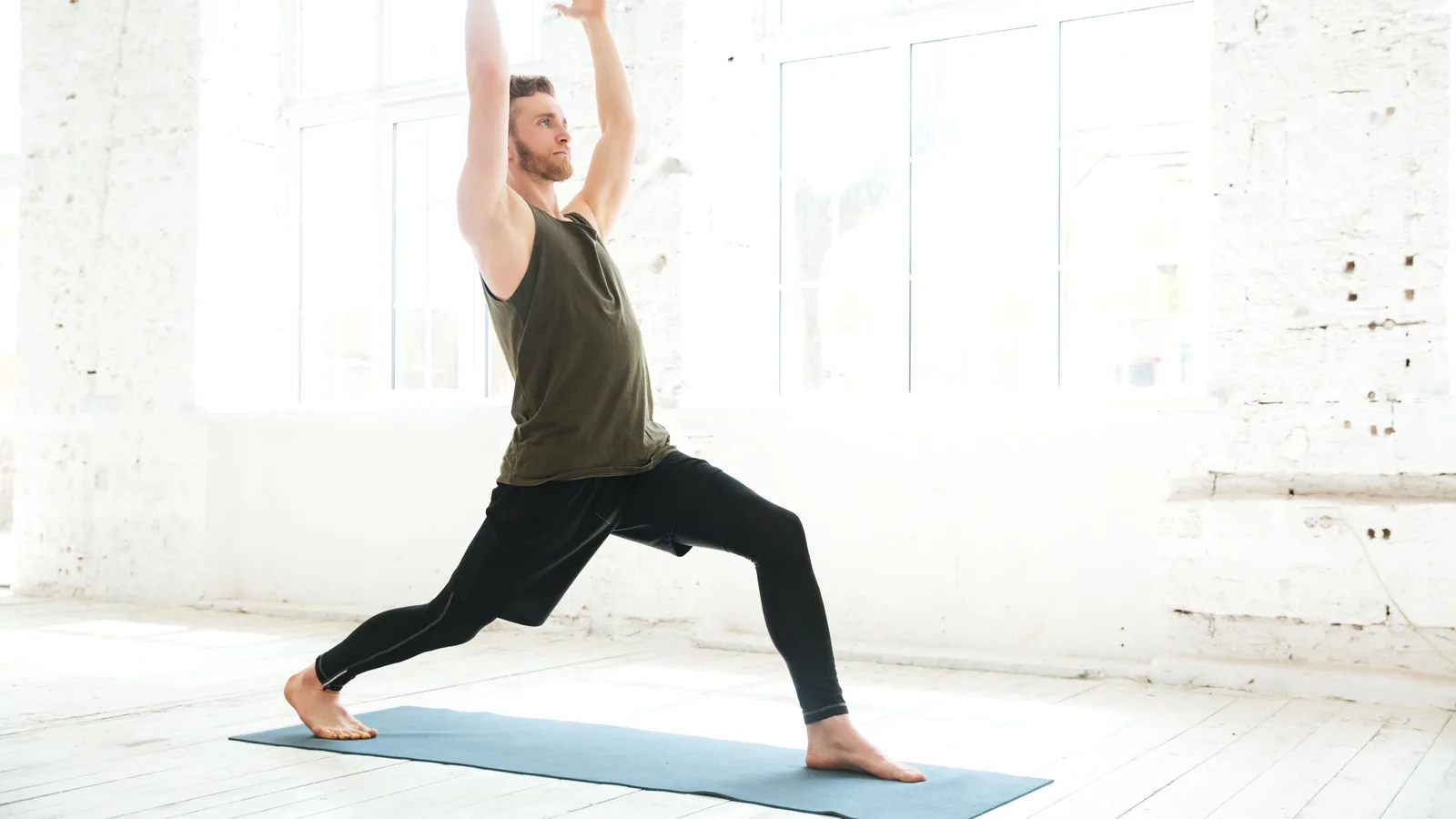
Add to that two short strength sessions, because keeping muscle matters for how you look and how much you can eat later.
-
01 /
Pick three moves you can do in your living room
A squat or sit-to-stand, a press-up (against the worktop, on your knees or full), and a row using a loaded bag or a resistance band. Three is enough to start.
-
02 /
Set a simple format
Three rounds of 8–12 repetitions, resting as needed. It should feel like effort by the last round, not like punishment.
-
03 /
Anchor it to something you already do
Straight after the kettle boils, before your shower, or at the end of the school run. A routine attached to an existing habit survives; one that floats does not.
-
04 /
Progress by adding, not by adding days
Add a repetition or a few seconds each week before you add a fourth session. Small increases keep you in the habit instead of laid up with a sore back.
-
05 /
Keep walking as the base
A brisk 20–30 minute walk most days is the foundation. Build the workout on top and don't let it replace the walk.
Sleep, stress and the evening snack problem
Short sleep changes appetite: you wake up hungrier, you crave quick energy, and you have less patience for cooking. Add a stressful day and the takeaway wins by default.
What helps is boring and effective: a consistent bedtime, a last caffeine cut-off in the early afternoon, a walk after dinner, and a screen-free hour before bed. If stress is the trigger, replace the ritual rather than trying to resist it — a hot drink and a chapter of a book instead of a glass of wine and a packet of crisps.
Alcohol deserves its own mention. It lowers restraint, disturbs sleep, and adds calories that do nothing for your appetite.
How to track progress and adjust
Weight is noisy. Salt, hydration, hormones, a big meal and a hard workout can all move the scales by a kilo or more in a day. The trend is the signal; the daily number is mostly weather.
Track four things and look at them together:
- Weekly weigh-ins under the same conditions, plotted over months rather than days.
- Waist measurement every fortnight — fat loss often shows here before it shows on the scales.
- How clothes fit, especially a fixed pair of trousers.
- Energy and sleep, which tell you whether the plan is sustainable.
A genuine plateau is three or more weeks with no change in the trend, not one flat week. When it happens, check the usual suspects before cutting anything: liquid calories creeping back, weekend eating, portions getting generous, and activity drifting down as the routine gets comfortable.
What commonly goes wrong, and how to fix it
- All-or-nothing weekends. Five careful days and two unrestricted ones can cancel the deficit. Fix: plan Saturday and Sunday with the same care as Wednesday.
- Overestimating exercise. A 30-minute walk does not earn a takeaway. Fix: don't use movement to justify food; keep the two separate.
- Drinking the day. Wine, beer, lattes and juice are the most common invisible calories. Fix: cut or halve them for a fortnight and see what happens.
- Healthy-looking snacks. Cereal bars, smoothies and many "protein" products are sweets in disguise. Fix: check the label for added sugar and calories per portion.
- Too much too soon. A 1,200 kcal diet and daily double workouts feel virtuous for a week. Fix: pick a deficit you could keep for six months.
- Panicking at a daily gain. Fix: weigh weekly, compare the trend, ignore single readings.
- Eating back the deficit at 10pm. Fix: a planned, protein-rich evening snack rather than an open cupboard.
When to get advice instead of going it alone
Speak to a GP, practice nurse or pharmacist before starting if you are pregnant or breastfeeding, have diabetes, heart, kidney or thyroid problems, take medication that affects weight or appetite, have a history of an eating disorder, or are considering a very restrictive approach.
Also get checked if you are losing weight without trying, if you feel persistently exhausted or dizzy, or if your eating has started to feel driven, secretive or out of control. Weight loss is a health project, not a test of character — and the plan should always be something you would be comfortable doing in front of someone who cares about you.
Frequently asked questions
Can I lose weight at home without exercising at all?
You can lose weight through food alone, because the deficit is what drives the change. But movement — even walking — helps protect muscle, mood and sleep, and health guidance recommends it regardless of the scales.
How quickly will I notice a difference?
The scales often dip in the first week or two, mostly from water and glycogen. Visible fat loss at half a kilo a week usually takes a few weeks to show, and waistbands tend to register it before the mirror does.
Do I have to count calories?
No. Counting is one tool, not a requirement. Cutting liquid calories, using a plate template and portioning snacks controls intake for many people without any logging at all.
Is it bad to weigh myself every day?
Not bad, but noisy. Daily figures swing on salt, hydration and hormones. If you like daily data, compare seven-day averages — otherwise once a week, same conditions, is simpler and kinder.
What should I do if I stop losing weight?
Check the basics for two to three weeks first: drinks, weekend eating, portion sizes and whether your daily steps have quietly dropped. If the trend is still flat, trim one small thing rather than slashing everything.
Can walking alone make me lose weight?
Walking helps, but it rarely creates enough of a deficit on its own if your food intake stays the same. Pairing it with a moderate cut in calories is what most people find effective.