The short answer
Your mat does not need a deep clean after every class. What works for most people is a quick wipe after each practice, a fuller wash every few weeks, and an airing whenever it starts to smell.
Yoga mats are porous on the top surface — that texture is what gives you grip — so the biggest mistake is leaving soap and water sitting in the mat. A soggy mat goes slippery, then musty, and no amount of washing brings the grip back easily. Clean little and often, rinse properly, and dry it flat and out of direct sun.
What you need before you start
Nothing specialised, and nothing expensive. Gather these first so you're not hunting for a cloth halfway through:
- A soft cloth or sponge — a microfibre cloth is ideal; nothing abrasive, no scouring pads
- Mild washing-up liquid or a pH-neutral hand soap — a couple of drops is plenty
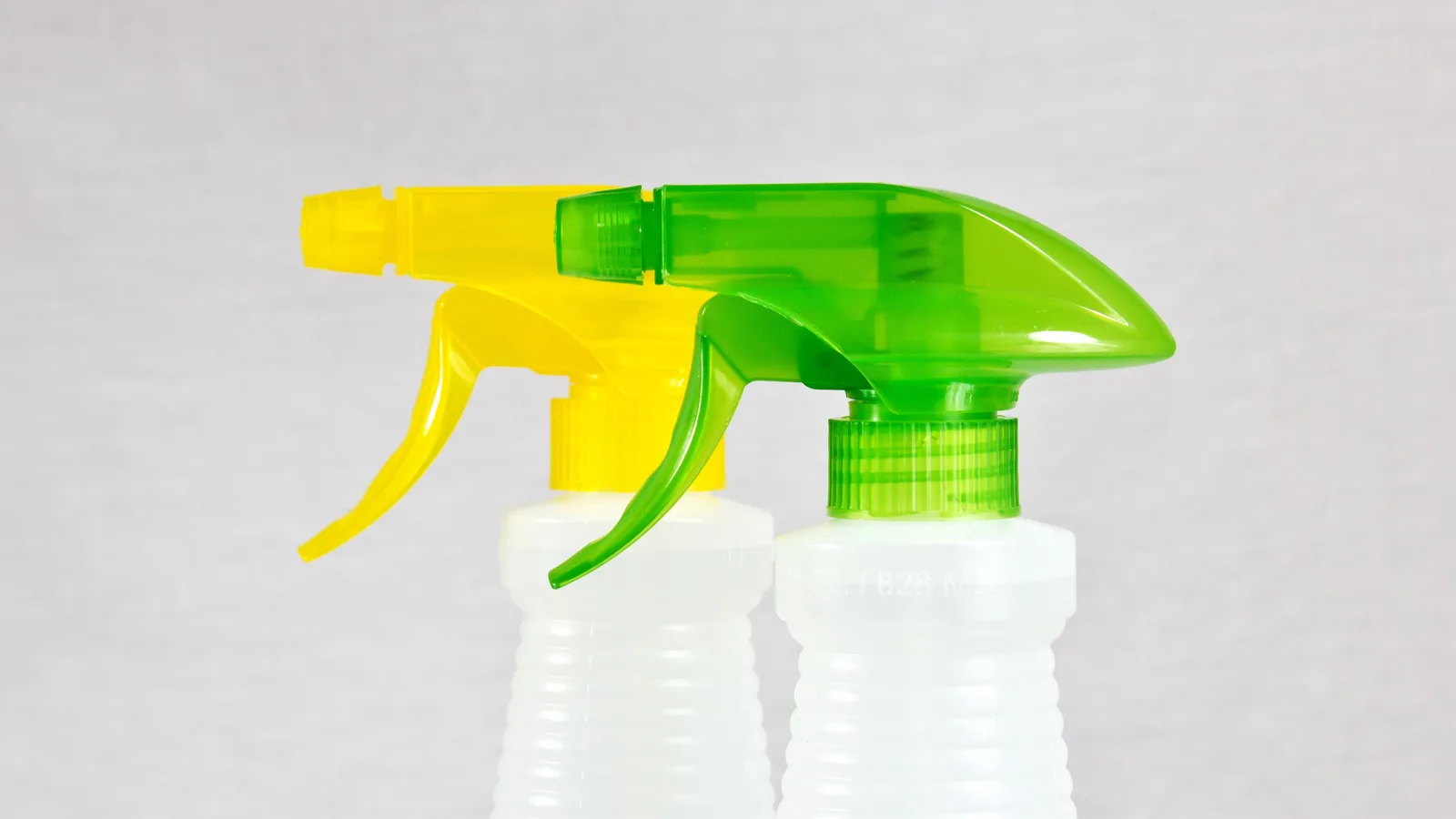
- A spray bottle for the light after-class refresh
- Lukewarm water — hot water can soften and dull the surface of some mats
- A clean bath towel for blotting and squeezing
- A flat, airy space to dry it, out of direct sunlight
- White vinegar (optional) if you're dealing with smells
The material decides how wet it can get
Mats fall into two broad groups. Closed-cell mats (most PVC and many TPE mats) have a sealed surface that sweat sits on top of, so they can take a proper wash. Open-cell mats (natural rubber, cork, microfibre-topped) absorb moisture and dry more slowly, so they prefer a damp wipe and a longer drying time.
If you don't know what yours is, look at the care label or the product page. If there's no information at all, treat it as open-cell: wipe rather than soak.
| Mat type | How much water it takes | Cleaning approach |
|---|---|---|
| PVC (closed-cell) | Tolerates a full wash in the bath or shower | Soap, rinse, blot, dry flat |
| TPE (closed-cell) | Tolerates a wash, but dislikes hot water | Lukewarm water only, rinse well, dry flat |
| Natural rubber | Absorbs water and dries slowly | Damp wipe and spot clean; wash rarely |
| Cork-topped | Cork dislikes soaking and heat | Wipe with a barely damp cloth, air dry away from sun |
| Microfibre-topped | Takes water well; some can be machine washed | Follow the care label; air dry, never tumble |
Steps: the quick clean after every practice
-
01 /
Wipe before you roll it up
Sweat and body oils are easiest to lift while the mat is still unrolled. Roll it out flat, top side up, and work from one end to the other.
-
02 /
Mix a light spray
Put lukewarm water in a spray bottle with one or two drops of mild washing-up liquid. Shake gently — you want slightly soapy water, not a lather.
-
03 /
Wipe in one direction, then rinse the residue off
Mist a section, wipe with a soft cloth, then go over the same area with a second cloth wrung out in clean water. That second pass is what stops the mat turning slippery.
-
04 /
Blot dry and leave it open
Press a dry towel over the surface, then leave the mat flat or draped over a chair back until it's completely dry before rolling it. Rolling a damp mat traps moisture and creates that damp-cloth smell.
Steps: the deeper wash
-
01 /
Clear a space and lay the mat out
A bath or a shower tray works well; a clean floor with a couple of towels down works too. You want room to rinse properly.
-
02 /
Rinse the surface first
Run lukewarm water over the top side, or mist it generously. Pre-rinsing loosens dust and grit so you're not grinding it into the surface.
-
03 /
Work in diluted soap with a cloth
Apply your mild soap solution with a soft cloth or sponge in gentle circles, covering the whole top surface and the edges where hands land. Don't scrub hard, and don't flood the mat.
-
04 /
Rinse until the water runs clear
This is the step people cut short. Rinse and re-rinse until the water slides off without a soapy feel and the surface no longer feels slick under your fingers.
-
05 /
Squeeze the water out the gentle way
Lay a dry towel over the mat, roll the two together, then press down along the roll with your hands or knees. Never wring or twist the mat — that's what cracks the surface and splits seams.
-
06 /
Dry it flat, top side up
Unroll onto a clean towel or a drying rack in a well-ventilated room. Turn it once partway through so both sides dry. Put it away only when it feels completely dry to the touch, including the edges.
Drying: the part most people rush
A mat that's still faintly damp when you roll it will smell within a day or two, and the smell is much harder to remove than sweat ever was. Give it several hours in a warm room, and longer for natural rubber or a thick mat.
Hang it over a chair back, a clothes airer or the side of the bath. Drape it rather than folding it, so air can reach both faces.
Getting rid of smells
A lingering smell usually means sweat has soaked into an open-cell mat and hasn't dried out fully. Washing the surface again won't fix it; you need to lift the residue out and dry the mat completely.
-
01 /
Air it first
Unroll the mat in a shaded, airy spot for a few hours — a garage, a porch or a room with the window open. Many mild smells clear at this stage without any product at all.
-
02 /
Try a diluted vinegar wipe
Mix roughly one part white vinegar to three parts lukewarm water, wipe over the surface, leave it a few minutes, then wipe again with clean water and dry thoroughly. Vinegar is acidic, so test a corner first on rubber and cork.
-
03 /
Use bicarbonate of soda for stubborn patches
Sprinkle a thin layer of bicarbonate of soda over the dry mat, leave it for a few hours to absorb, then brush or vacuum it off with a soft attachment and wipe the surface down. Don't leave bicarb on cork — it can dull the surface.
How often to clean your mat
| How you use it | Quick wipe | Full wash |
|---|---|---|
| A few home sessions a week | After each session | Every four to six weeks |
| Daily sweaty practice | After every session | Every two to three weeks |
| Hot yoga or gym classes | After every session, including the edges | Every one to two weeks |
| Shared or borrowed mat | Before and after each use | After each use where the mat allows |
| Stored rolled in a bag | After each session | More often — trapped damp is the main cause of smells |
What not to do
- Don't put a mat in the washing machine unless the care label specifically says it can be washed. Most PVC, TPE and rubber mats will come out misshapen or with the top layer ruined.
- Don't soak a mat in a bath full of water for hours; the core takes days to dry.
- Don't use a stiff brush, scouring pad or scrubbing brush on the top surface.
- Don't stack heavy things on a damp mat, and don't fold it while wet — creases become permanent.
- Don't store it in a hot car or a hot cupboard; heat plus residual moisture is what makes rubber smell.
Cork, microfibre and natural rubber
Cork-topped mats should be wiped with a barely damp cloth and dried straight away. Cork dislikes soaking, and heat will make it brittle — never leave one on a radiator or in a hot car.
Microfibre-topped mats take water well and some can go in a machine on a cool, gentle cycle, but only if the label says so. Always air dry; a tumble dryer will shrink the backing.
Natural rubber is the most absorbent common material. Wipe rather than wash, dry it flat and thoroughly, and keep it out of sunlight, which perishes rubber over time.
Keeping it cleaner for longer
- Wash your hands and feet before you practise; most of what ends up on a mat comes in from outside.
- Put a towel over the mat for hot or sweaty sessions — it's far easier to wash a towel than a mat.
- Roll loosely rather than tightly, and store the mat unrolled if you have the space.
- Let your mat air for ten minutes after class before it goes in a bag.
- Keep a separate mat for outdoor or garden use; grit and sap are difficult to lift once they've worked into the surface.
Frequently asked questions
Can I put my yoga mat in the washing machine?
Only if the care label says it's machine washable. In practice that means some microfibre or cotton-topped mats on a cool, gentle cycle with a mild detergent. Standard PVC, TPE and natural rubber mats should be wiped or hand-washed instead, as the drum can distort the mat and break down the top layer.
Can I use antibacterial wipes on my mat?
It's better not to. Many wipes contain alcohol or harsh surfactants that leave the surface tacky and can dry out rubber. A cloth dampened with mild soapy water, followed by a rinse wipe, cleans just as effectively without the residue.
Do I need to clean a brand-new mat before the first use?
Yes, a quick wipe is worth doing. New mats often carry a light manufacturing residue or dust that makes them slippery at first. Wipe with a damp cloth and mild soap, rinse with a clean damp cloth, and let it dry flat before your first session.
Why has my mat become slippery since I cleaned it?
Almost always leftover soap. Rinse the surface again with clean lukewarm water, blot with a towel and dry it flat and fully. If it's still slick, repeat the rinse — grip usually returns once the residue is gone.
Can I use essential oils to freshen my mat?
A single drop in a spray bottle of water is fine for scent, but don't use oils neat or in high concentration as a cleaner. Citrus and other strong oils can degrade rubber and leave an oily film that makes the mat slippery.
How long should a mat take to dry?
It varies with thickness and material, but expect several hours at least, and up to a full day for natural rubber or a thick mat. Dry it flat or draped in a ventilated room at room temperature, and turn it once so both sides dry.