Best home gym equipment 2026: the quick answer
Home gym equipment is easy to overbuy. The best setup for most people is not a garage full of machines but a small number of pieces that cover strength, cardio and floor work, and that you can store without resenting them. Our five picks are well-known, widely available products that earn their space.
Quick answer: if you want one purchase that does the most work, choose adjustable dumbbells. If you need cardio, the Concept2 RowErg is the strongest all-rounder. For a flat with no spare room, the TRX GO packs into a bag. The Manduka PRO makes floor work more comfortable, and the Iron Gym bar adds pulling strength for very little outlay.
How the five picks compare
| Pick | Best for | Space and storage | Main training use |
|---|---|---|---|
| Bowflex SelectTech 552i | Best overall | Corner or shelf; compact for a full weight range | Dumbbell strength work |
| Concept2 RowErg | Best cardio machine | Long strip when built; splits for upright storage | Rowing, intervals and endurance |
| TRX GO Suspension Trainer | Best for small flats | Packs into a bag; needs a door anchor point | Bodyweight strength and mobility |
| Manduka PRO yoga mat | Best for floor work | Rolls up; heavier than a travel mat | Yoga, stretching and core |
| Iron Gym Total Upper Body Workout Bar | Best budget strength pick | Fits in a doorway; no floor space | Pull-ups, chin-ups and hangs |
1. Bowflex SelectTech 552i: best overall
Best overall
Bowflex SelectTech 552i adjustable dumbbells
4.7/5
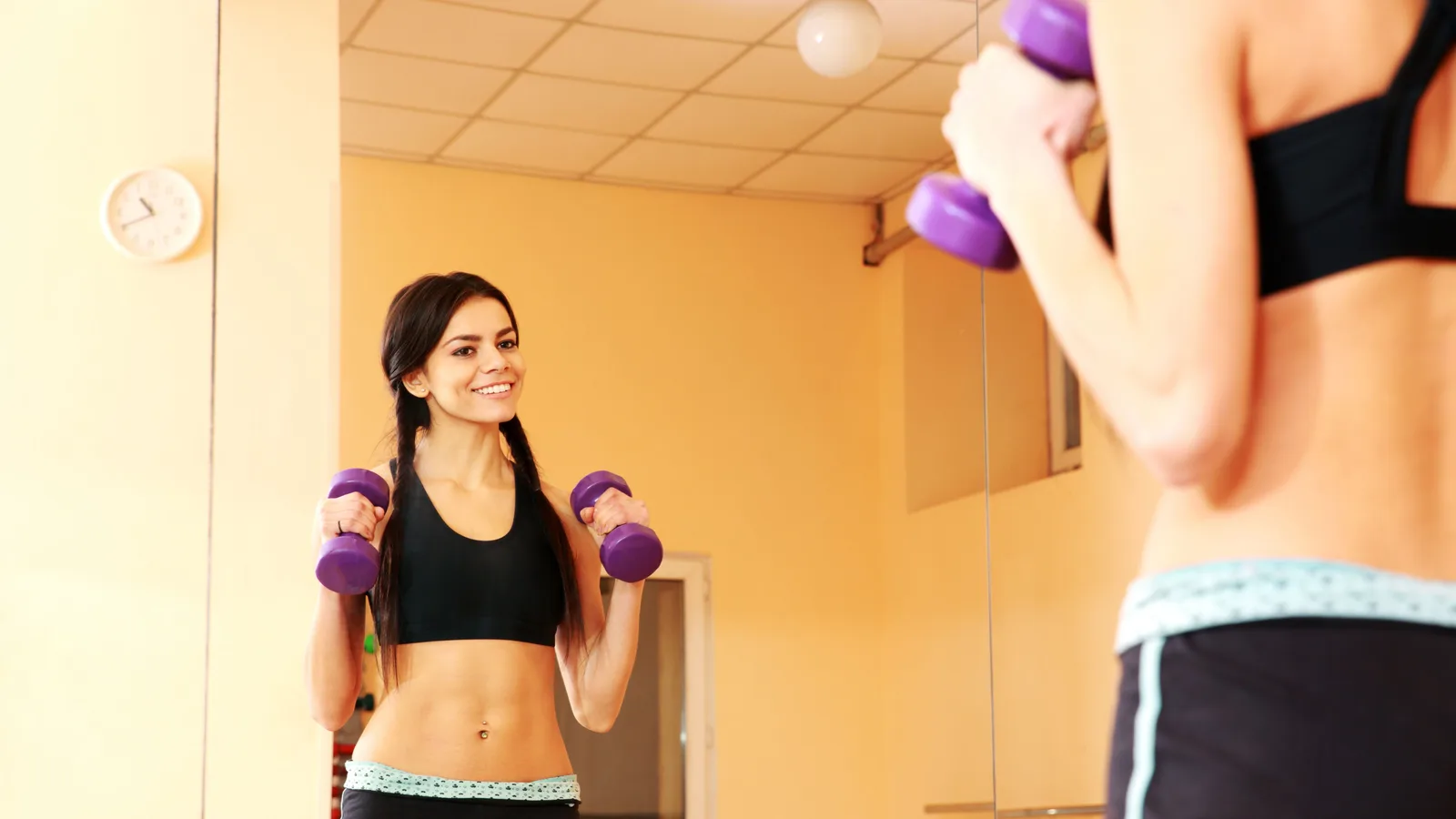
Adjustable dumbbells are the closest thing to a home-gym cheat code. The SelectTech 552i replaces a rack of fixed dumbbells with one pair that changes weight by turning a dial, so you can move from warm-up sets to working sets without leaving your spot. It is the pick here for general strength work because it covers presses, rows, squats, lunges and arm work, and it stores in a corner rather than along a wall. The trade-off is shape: the dumbbells are longer than fixed ones, which can feel clumsy on close-grip exercises, and they are not built to be dropped.
Why it earns its place
- Replaces a full rack of fixed dumbbells
- Dial changes weight quickly between sets
- Covers most strength exercises
- Compact storage compared with a rack
Watch out for
- Longer than fixed dumbbells
- Costs more than a single fixed pair
- Not designed for dropping
2. Concept2 RowErg: best cardio machine
Best cardio machine
Concept2 RowErg
4.8/5
The RowErg is the cardio machine we would choose if you want one piece that works the whole body and can take years of use. Air resistance means the harder you pull, the more resistance you get, and the PM5 monitor gives you pace, watts, intervals and workout memory. It separates into two parts, so it can stand upright against a wall when not in use. Rowing is low-impact compared with running, but it is a skill: bad technique wastes energy and can strain your lower back. It also takes up a long strip of floor when assembled.
Why it earns its place
- Full-body, low-impact cardio
- PM5 monitor tracks intervals and pace
- Separates for upright storage
- Built for frequent, hard use
Watch out for
- Long footprint when assembled
- Technique takes practice
- Fan noise is noticeable
3. TRX GO Suspension Trainer: best for small flats
Best for small flats
TRX GO Suspension Trainer
4.5/5
If you live in a flat or have a spare metre of wall, the TRX GO is a smart way to add strength work without a rack. It is a suspension trainer: two straps anchor to a door or a secure pole, and you use your bodyweight and the angle of your body to make rows, presses, squats and core exercises easier or harder. It packs into a small bag, so it doubles as travel kit. It will not replace heavy dumbbells for serious loading, and the door anchor needs a solid, correctly fitting door. But for space-saving strength and mobility, it is hard to beat.
Why it earns its place
- Packs small enough for a drawer or bag
- Bodyweight rows, presses and core work
- Difficulty adjusts with body angle
- Useful for travel and small flats
Watch out for
- Limited for heavy strength work
- Needs a secure anchor point
- Takes practice to set up consistently
4. Manduka PRO yoga mat: best for floor work
Best for floor work
Manduka PRO yoga mat
4.6/5
Floor work is the part of a home gym people forget. A proper mat makes stretching, core work and yoga more comfortable, and it protects knees and elbows on hard floors. The Manduka PRO is a dense, grippy mat that is built for daily use; it is thicker and heavier than a basic travel mat, which is why it stays at home. Use it for yoga, mobility sessions, planks and warm-ups. It is not a substitute for a lifting platform or rubber gym flooring under heavy weights.
Why it earns its place
- Dense cushioning for knees and elbows
- Grippy surface for yoga and planks
- Durable enough for daily use
- Good base for mobility sessions
Watch out for
- Heavy to carry to classes
- Costs more than a basic mat
- Thick enough to feel different underfoot
5. Iron Gym Total Upper Body Workout Bar: best budget strength pick
Best budget strength pick
Iron Gym Total Upper Body Workout Bar
4.3/5
The Iron Gym bar is the lowest-cost way to add a serious strength exercise to a home gym. It clamps into a door frame without screws and gives you pull-ups, chin-ups and hanging knee raises. Pulling strength is the gap in most home setups, and this bar fills it without taking up floor space. Check your door frame first: it needs a standard frame and a clear approach, and it is not suitable for every door or for heavy kipping. For strict pull-ups and hangs, it is excellent value.
Why it earns its place
- Adds pull-ups and hangs without floor space
- No screws or drilling
- Three grip positions
- Low-cost strength upgrade
Watch out for
- Limited to bodyweight pulling
- Door frame must be suitable
- Not for kipping or rough use
How to choose home gym equipment that suits your space
Start with the training you actually do, not the equipment you admire. A home gym that covers strength, cardio and mobility is more useful than one that is excellent at a single thing you rarely train.
- Measure the space. Mark the footprint on the floor with tape, including the clear area you need to move around it.
- Choose kit you can load progressively. Adjustable dumbbells, a suspension trainer or a pull-up bar let you add difficulty without buying a new set every few months.
- Think about noise and floors. Rubber mats protect floors and reduce clatter; air rowers and treadmills are louder in use than a mat and dumbbells.
- Check ceilings and doorways. Pull-up bars and overhead presses need clearance, and door-anchored kit needs a frame that closes securely.
- Buy for storage. Folding, stacking or hanging kit is worth more in a small home than a marginally better machine that lives in the way.
- Set a total budget. Spend on the pieces you will use weekly; leave the rest for later.
Build your home gym in stages
Stage one: a mat and a suspension trainer or resistance band. This covers mobility, core work and lighter strength for a modest outlay, and it takes up almost no space.
Stage two: adjustable dumbbells and, if you have room, a bench. This is the strength core of most home gyms and covers the majority of upper- and lower-body exercises.
Stage three: cardio. Add a rower, bike or treadmill only when you know you will use it regularly; cardio machines are the bulkiest and hardest to store.
Our verdict
Home gym equipment FAQs
Do I need a bench to go with adjustable dumbbells?
Not at first. You can train most muscle groups standing, seated or on the floor. A bench becomes useful when you want chest presses, supported rows and split squats with more range.
Is a rowing machine better than a treadmill for a flat?
It depends on noise and storage. A rower is lower-impact and stores upright, but it still has a long footprint and fan noise. A treadmill is easier to walk on but usually heavier and noisier in use.
How much space do I need for a home gym?
Enough clear floor to lie down with your arms overhead and to step around your equipment safely. A mat, dumbbells and a suspension trainer need less room than a rower or treadmill.
Can I build a home gym in a rented flat?
Yes. Favour freestanding or door-anchored kit, use a mat to protect floors, and avoid anything that needs wall drilling unless you have permission.
How do I stop dumbbells damaging my floor?
Use a rubber mat or interlocking gym tiles under your weights, and lower dumbbells under control rather than dropping them. If you live above a neighbour, avoid dropped weights and high-impact cardio.